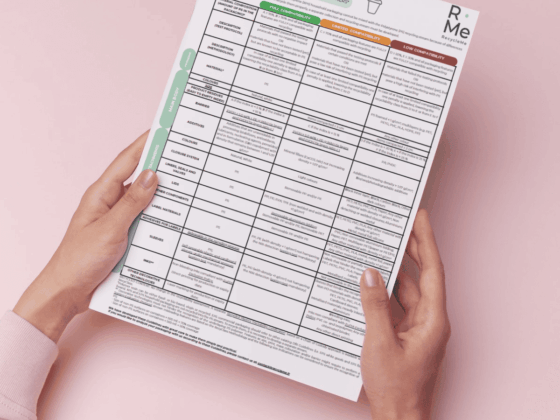
Discover our plastic materials guidelines, available free of charge online. They are designed to support your transition towards eco-designed packaging in response to the entry into force of the PPWR.
With the European obligation to recycle 55% of plastic packaging by 2030 under the PPWR, producers must begin rethinking their packaging today.
Discover how our recommendation factsheets (material guidelines), available free of charge online, can support you in this transition towards eco-designed packaging.
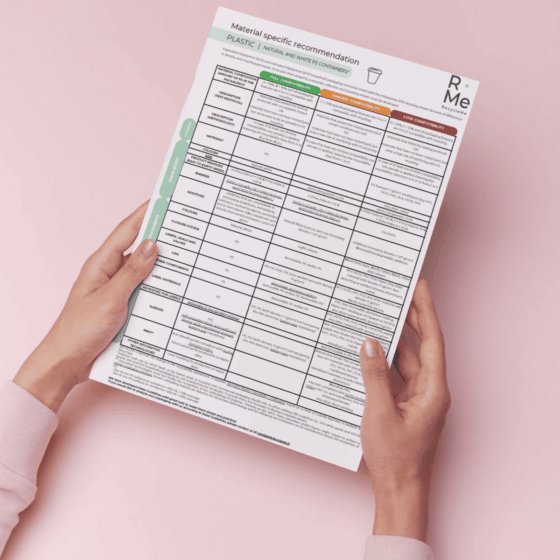
Where Do These Guidelines Come From?
Designing packaging that is simultaneously attractive, economically viable and recyclable is no small feat. Finding the right balance takes time — which is precisely why anticipating the obligations of the 2030 European regulations is so important.
It is precisely to address this challenge that eco-design guidelines have been developed. As genuine decision-support tools, they provide a practical framework for creating packaging that is compatible with existing sorting and recycling infrastructure.
Applying these recommendations ensures that none of the various elements of the packaging interferes with the sorting or recycling of the material. It also enables, upon completion of a certification process, the award of a label that can be leveraged in your commercial relationships and communications.
Our packaging design recommendation factsheets are based on the guidelines developed by the recognised recycler consortium RecyClass. They are updated on an annual basis.
How to Use These Guidelines
Our “guidelines” factsheets are designed as self-diagnostic tools, enabling you to assess the recyclability of your packaging based on its innovative element.
The Principle
- Step 1. Open the factsheet corresponding to the majority weight of your packaging (more than 50%).
- Step 2. To start the diagnostic, answer the question suggested by the first line: what percentage of your packaging composition corresponds to your primary material?
Based on your answer, you can classify your primary material — and your secondary components where applicable — into one of three categories: green for compatible, amber for borderline or at risk, red for incompatible.
- Step 3. Move on to the next line and formulate the corresponding question.
- Subsequent steps. Continue in this way to the bottom of the factsheet.
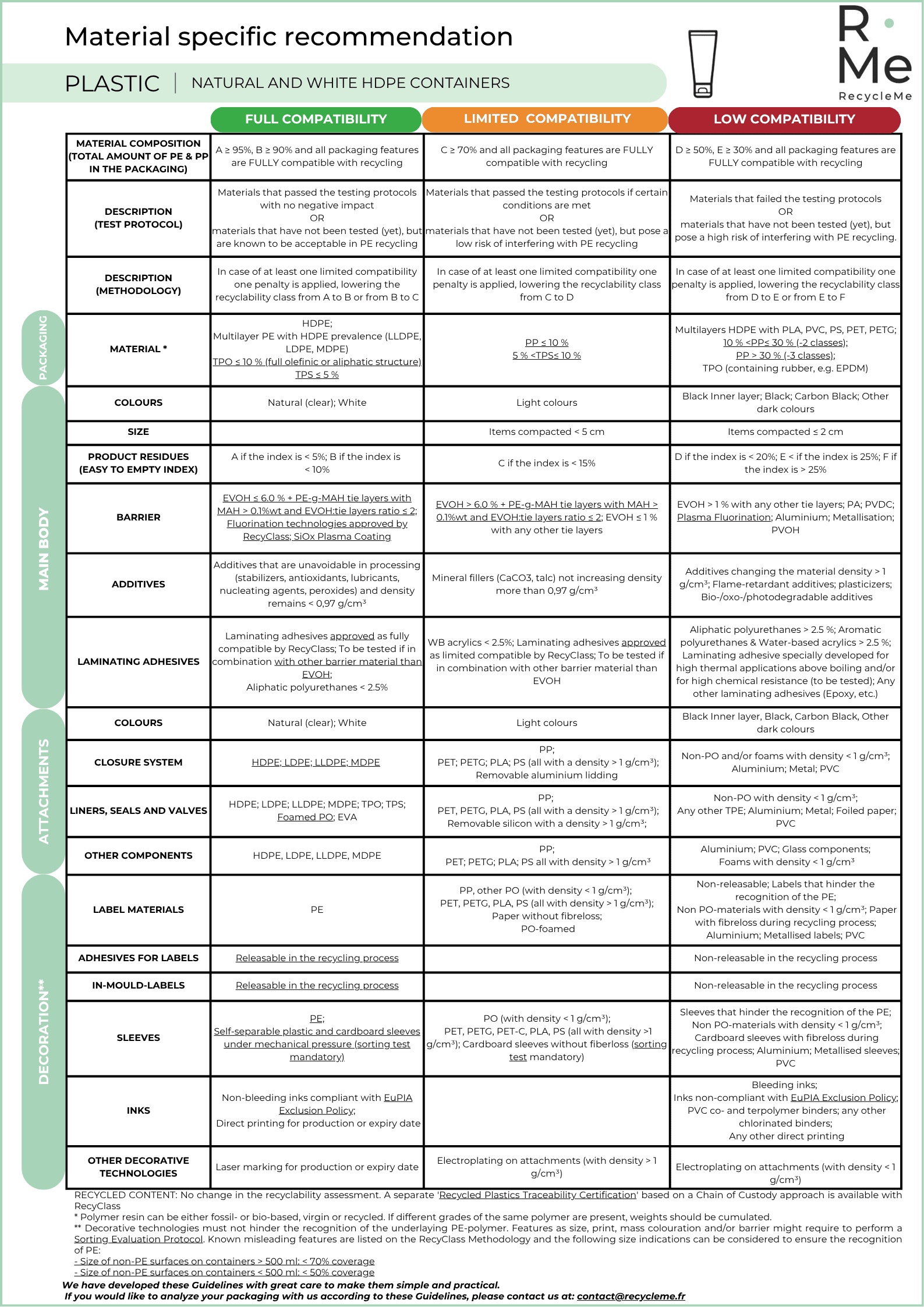
The aim is also to enable you to identify potential blocking points at a very early stage of your project, so that you can design your packaging differently and brief your suppliers accordingly.
Plastic Guidelines Catalogue
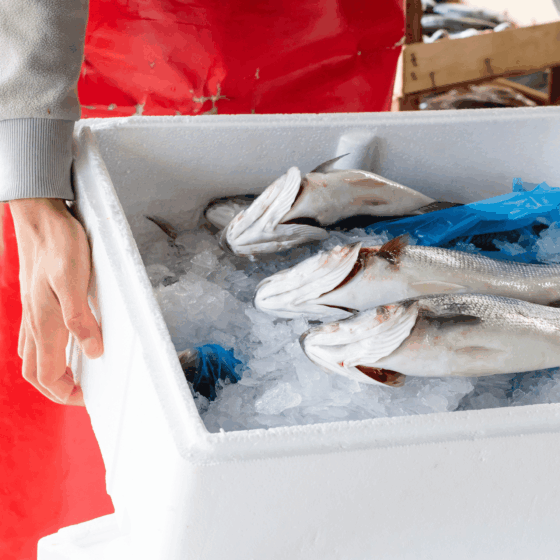
1. White expanded polystyrene (EPS)
Found in fish counters (fish trays)

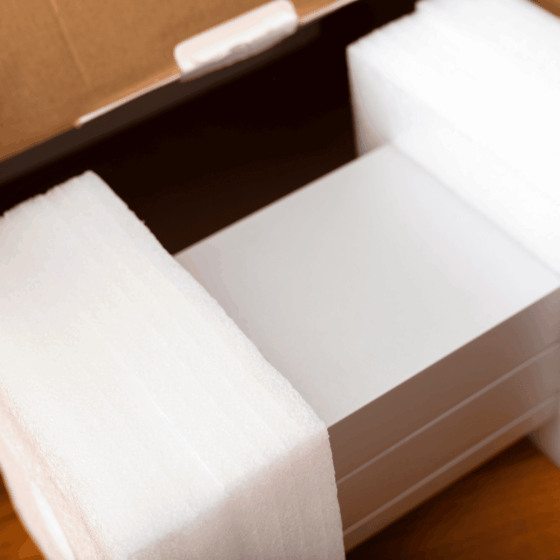
Also used to produce moulded protective inserts for household appliances and IT equipment.
2. White, translucent or coloured rigid HDPE containers
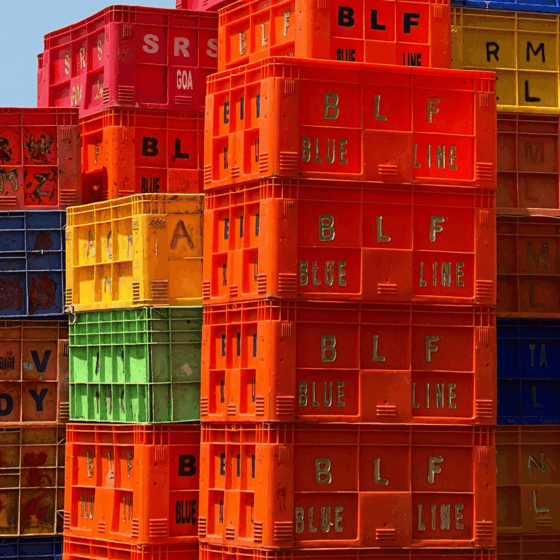
3. Rigid HDPE crates and pallets
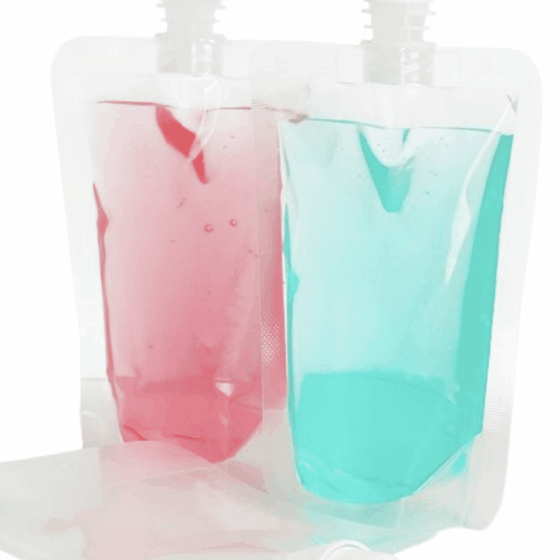
4. Transparent or coloured flexible PE films and bags
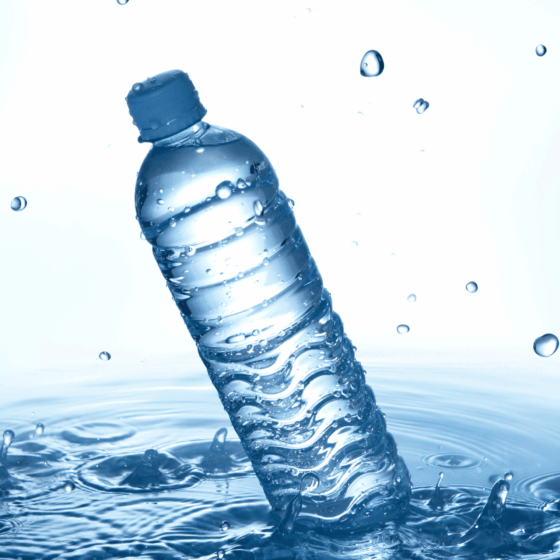
5. Transparent and light-blue PET bottles
Most commonly recycled into bottles and food trays. Plastic fibres obtained by recycling coloured PET bottles are used notably in the construction and automotive sectors.
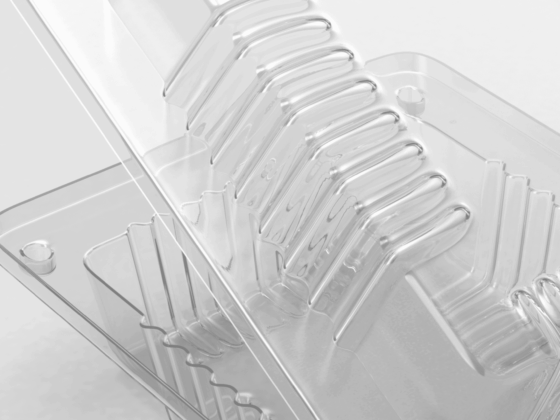
6. Transparent and coloured thermoformed PET trays
Very common in the food industry and retail, as they can protect food of any shape.
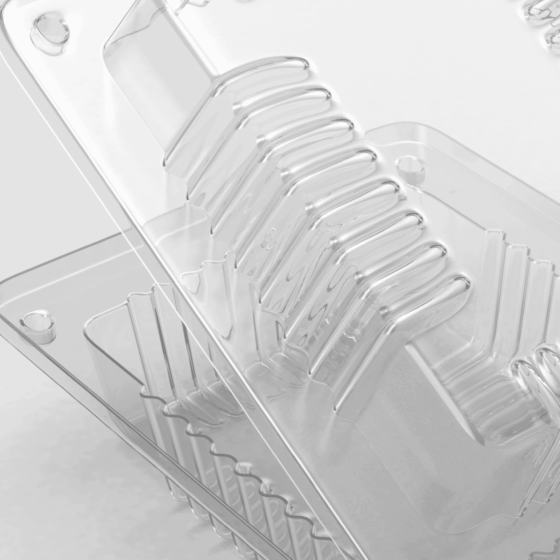
7. White or coloured rigid PP containers and tubes
Used to package cosmetic creams, sealants, etc. Once recycled, rPP (recycled polypropylene) is used in injection-moulded parts for the automotive or storage sectors.
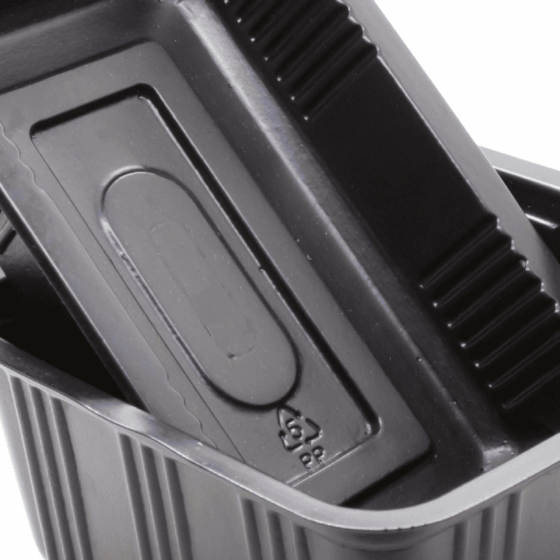
8. PP crates and pallets
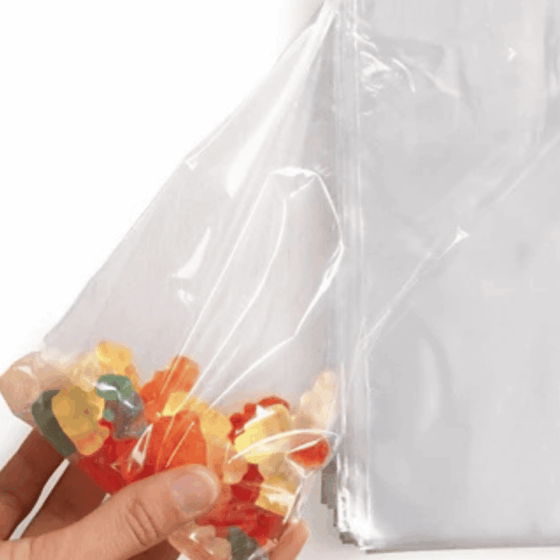
9. Colourless, white or coloured flexible PP films and bags
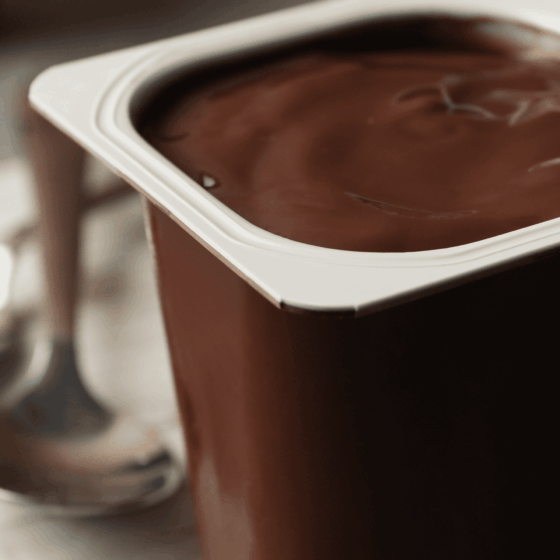
10. White, colourless or coloured PS containers

Do you have doubts or questions following your self-diagnostic? Our factsheets cover the most common materials, but every packaging item has its own specificities. If your material is not listed, if your packaging combines several materials in equal proportions, or for any other query, our team is here to help.